Feeds:
Posts
Comments

Blog Break


Things have been piling up on my schedule for some time now, so I have finally caved in. I’m going to be on a break from blogging for the next few weeks.

Have a happy summer (or whatever season it is in your slice of the globe), everyone!

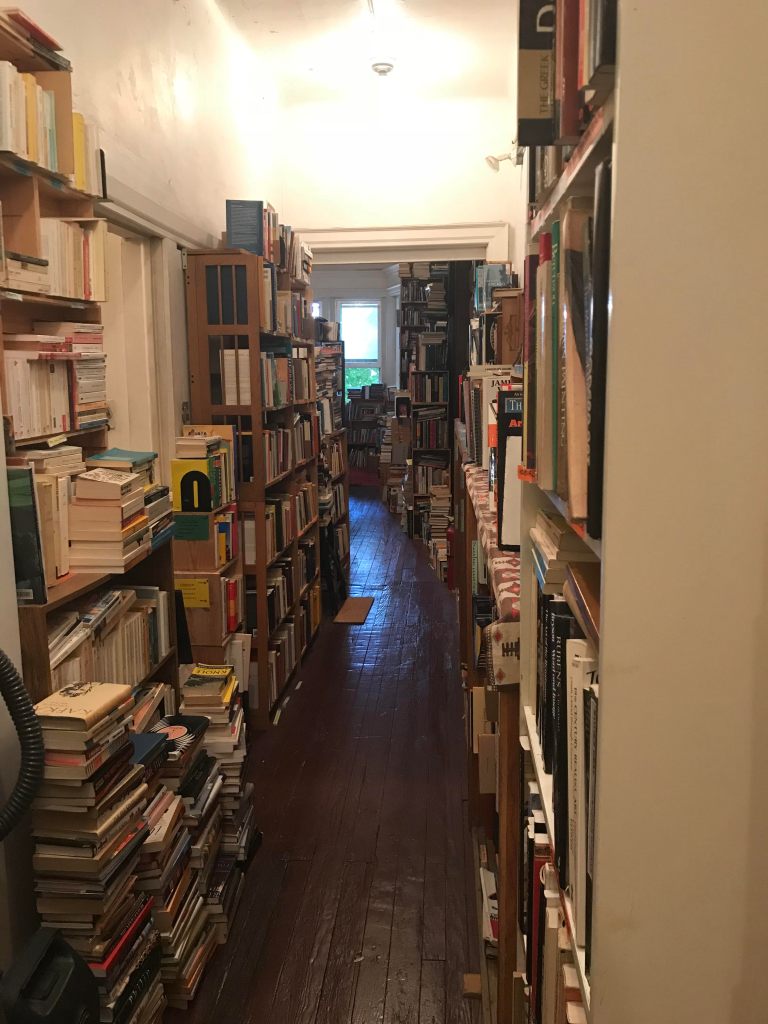
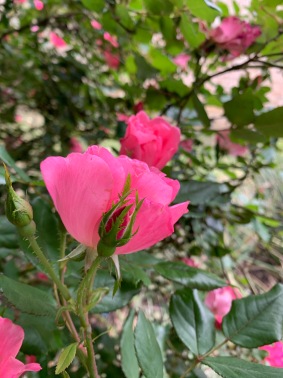
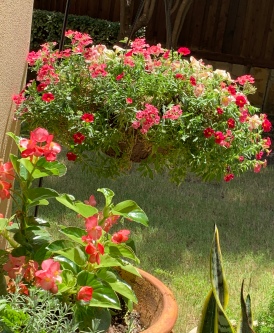
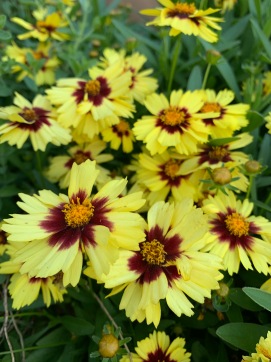
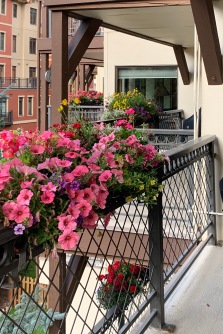
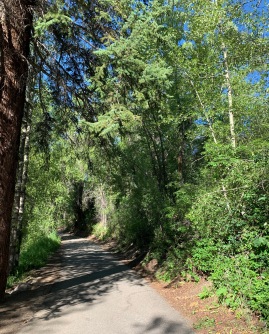
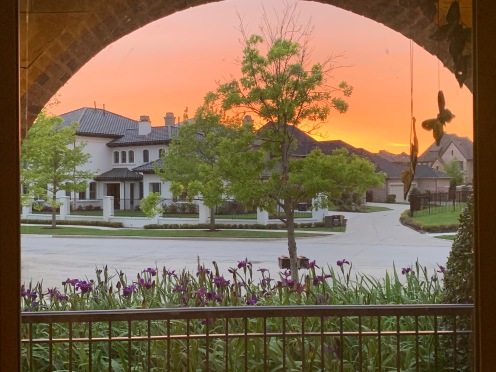
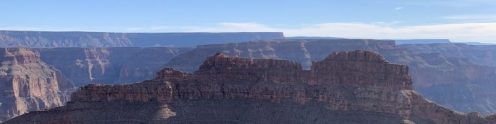
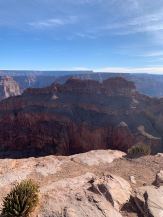
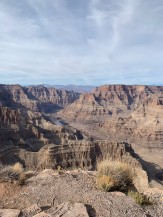
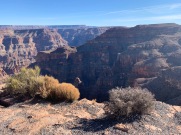
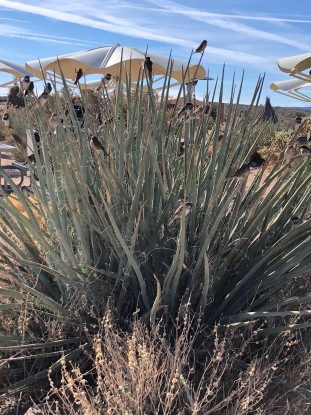
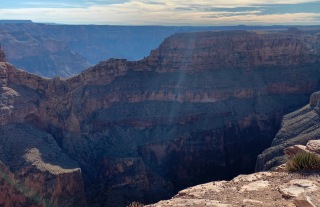
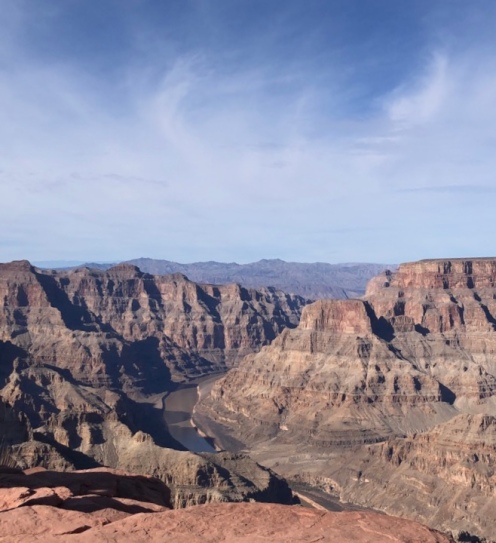
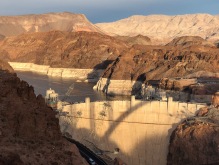
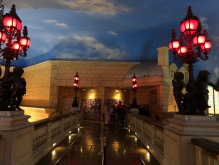
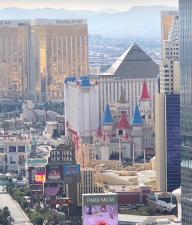
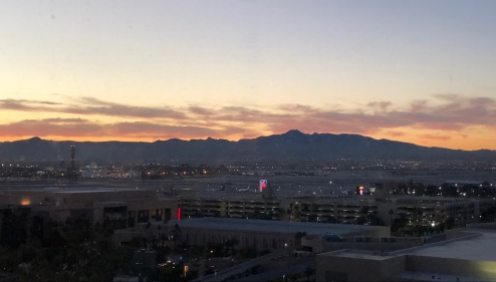
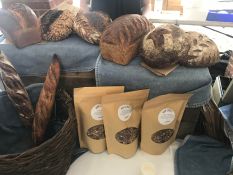
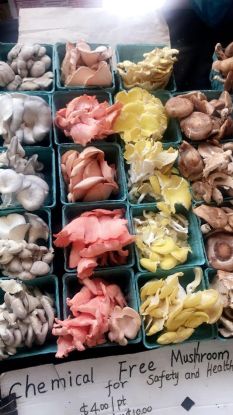
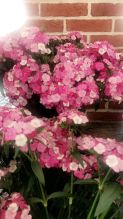
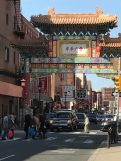
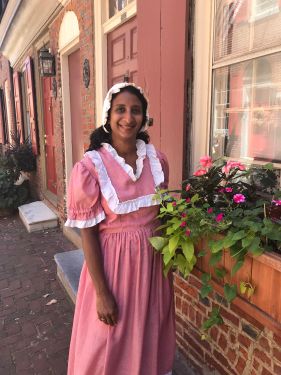
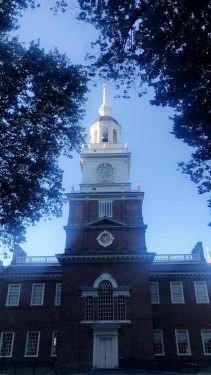
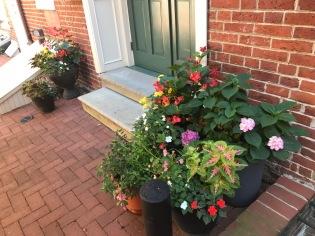
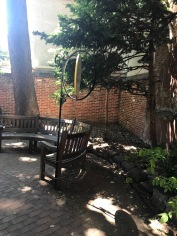
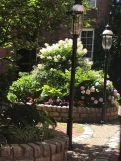
P.S: The pictures have nothing to do with a break or summer. They all just remind me of “good times.” Since summer has always translated to sunny, happy times for me, I thought I’d brighten this page up using them :-).


Who Is a Writer?

Below are opinions I’ve heard expressed about who would make a good writer.

Some of them may sound unfairly judgmental and derogatory to writers in general? Don’t worry about it, because, ironically enough, all of the viewpoints have come from writers themselves, aspiring or otherwise.

  • A Control Freak: Writers like to have control… To the extent that they revel in controlling others’ lives. They write so they can act puppeteers, to their hearts’ content, to the lives of the characters.
  • Challenge Challenged: Writers are people who have had a smooth life. They probably breezed through to adulthood and have overcome challenges in life a tad too easily so far. Now, publishing industry is the nut they’re trying to crack. (No pun intended.)
  • A Schizophrenic: If a person has one too many personalities vying within, he/she cannot help but become a writer. Writers hear voices inside their heads. They have to give personalities to the voices via the characters in their books or succumb to insanity.
  • An Eccentric: Only a person who derives pleasure from constant sleeplessness, uncertainty, self-doubt, and clearing obstacles — big and small — on a day-to-day basis can make a writer.
  • An absent-minded professor: Is your friend/spouse/colleague/insert-other-relationship constantly lost inside his/her own world? Does s/he often have a bemused expression on her/his face, and seldom make a good dinner companion? Then, be prepared. S/he is getting ready to spring a book or a story-line on you soon.


I have to say, some of the notions above definitely ring a bell for me. (Of course, I’m not telling you which ones!)

Do you have any other definitions you’d like to add to this list?

Write Responsibly

Posted originally on March 24, 2010.

In times like these men should utter nothing for which they would not be willingly responsible through time and in eternity.

                                                                       -  Abraham Lincoln

I have at least a hundred and ten places in the world, big and small, I’d love to visit one day. They are anywhere from Egypt to Ireland to Turkey to Japan to Greece — the list goes on and on. And most of those places have sneaked into my list because of the books I’ve read over the years.

Isn’t it amazing how the image you have of the world is shaped, among other things, by the books (or any printed material) you read? That realization makes the act of writing that much more daunting – forget about how hard the craft itself is.

When it comes to writing books, non-fiction has more rules. Authors of non-fiction are expected to be cognizant of the subject at hand, and they are relied upon to include only proven facts in their books.

Not so fiction.

When writing fiction for adults there’s more leeway, because they are capable of discerning right from wrong. That’s the general belief, at least.

Writing for children? That’s an entirely different beast. Books are one of the cheapest and most commonly used tools to help shape young minds. And children  are more impressionable, and hence susceptible to persuasion.

It is well and good to keep books real. I’m all for it. Up to a point.

My problem is when books get gimmicky, all for the sake of sales or some other self-serving need of the creators of the book, and make the depraved characters in it look really cool. Is this really necessary?

Let’s say someone writes a book that has a strong subliminal message that it is okay to make a cheap buck by cheating someone else. And for whatever reason, that book goes out of print after only some hundred copies are sold.

Where do those hundred-odd copies end up? On bookshelves, where they will continue to live for a number of decades. Even if each one of them gets read by one child in each generation, that’s a lot of children brainwashed over the years. And they grow up into adults who affect more children by their beliefs, opinions, and actions. And hence the sphere of influence of that one book keeps growing.

Every book has a message in it, whether it’s an obvious one or not.

As a writer, the bottom line for me is: Would my conscience remain clear even if only one reader embraces the message in my book?

How do you keep your writing responsible?

The southern tip of India is a peninsula, and the whole east side of Andhra Pradesh (which is on the south-east slice of India) is a coast, overlooking the Bay of Bengal. I’d left Hyderabad – a completely landlocked city – and clicketty-clacked over in a train to my grandparents’ town, which is a little over 10 miles from the bay.

This town is famous, among other things, for a centuries-old temple that sits smack dab in the middle of town. Its 125 ft gopuram (the tall

This picture honestly does injustice to the temple and its grandeur. It was a festival day when I took this picture and I couldn't get any closer to it because of the mad rush of devotees visiting the temple. Also, the crisscrossing electric wires make a nasty backdrop, unfortunately

cone-shaped tower made of stone) looms over everything else in sight.

The temple was built by Chalukyas in the 1400s. (Chalukyas were one of the most powerful and enduring dynasties to rule over parts of southern and central India.)

Every inch of the tower’s surface is sculpted with gorgeous figures depicting stories from the Hindu mythology.

Growing up, when we went about our daily lives, spending time with cousins or visiting friends, we always passed by the gopuram. It was like the moon: it followed us like a shadow everywhere we went, watching over us.

Picture taken from: manasasancharare.wordpress.com

When I think about it now, never once did I stop then and reflect upon its past and history. I was definitely not apathetic to it: I always wondered at its height (craning my neck to catch the glimpse of the very tip of it) and the beauty of the engravings; it’s just that I took it for granted that it has always been a part of the town and always will be.

Simply put, in India, history is a way of life. That also explains why even ancient structures are not cordoned off from the public and protected.

They have existed, as part of people’s lives, bearing silent testimony to the passage of time for centuries and will continue to do so in the future.

– ** –

I had a grand time sharing memories of my vacation with you all in bits and pieces for the past few months in this blog . Thank you for taking this trip with me!

I’ll leave you all with pictures I took as I went about different towns and cities trying to gather together memories of my childhood…

If you look closely, you can see a few monkeys on a couple of the rooftops. It is common for troops of monkeys to descend upon the town suddenly during the day. They sit on top of the roofs or trees with stoic expressions on their faces, observing the activities of their cousins the humans, before moving on as silently as they had appeared


Notice the little huts in the back? Isn't that a lovely way to live, so close to nature? Thoreau would probably have loved the seclusion of this spot

 

The latest developments around the world have brought to my mind the words of one of India’s foremost philosophers, Swami Vivekananda.

Picture of Swami Vivekananda taken from the cover art of one of the philosopher's biographies published in India


I present to you an excerpt from the landmark speech Vivekananda had given on September 11, 1893 at the Parliament of World Religions in Chicago.

(Notice the date? Yes! Coincidence? I don’t know…)

I feel the sentiments expressed by the philosopher over a century ago are relevant today more than ever. Without further ado, here goes…

Sisters and Brothers of America,

It fills my heart with joy unspeakable to rise in response to the warm and cordial welcome which you have given us. I thank you in the name of the most ancient order of monks in the world; I thank you in the name of the mother of religions, and I thank you in the name of millions and millions of Hindu people of all classes and sects.

… I am proud to belong to a religion which has taught the world both tolerance and universal acceptance. We believe not only in universal toleration, but we accept all religions as true.

I am proud to belong to a nation which has sheltered the persecuted and the refugees of all religions and all nations of the earth. I am proud to tell you that we have gathered in our bosom the purest remnant of the Israelites, who came to Southern India and took refuge with us in the very year in which their holy temple was shattered to pieces by Roman tyranny. I am proud to belong to the religion which has sheltered and is still fostering the remnant of the grand Zoroastrian nation.

I will quote to you, brethren, a few lines from a hymn which I remember to have repeated from my earliest boyhood, which is every day repeated by millions of human beings: “As the different streams having their sources in different paths which men take through different tendencies, various though they appear, crooked or straight, all lead to Thee.”

I fervently hope that the bell that tolled this morning in honor of this convention may be the death-knell of all fanaticism, of all persecutions with the sword or with the pen, and of all uncharitable feelings between persons wending their way to the same goal.


P.S: See here for the full speech. Thanks Meera for helping bring Vivekananda’s words to the fore of my consciousness at this point in time.

A Spring in Your Step?


Posted originally on April 14, 2010.

Finally! Spring is here – there are signs of new life everywhere around me. 

Having said that, for the sake of honesty, I also have to mention that where I live spring usually lasts for a whole day. 

Yes, you read it right! It happens when you least expect it, and then it’s gone. Hot, scorching dog days of summer take over. But die-hard spring fans like me hang on to the euphoria left behind by that one glorious day. 

This is what Spring means to me: 

  • Oxygen, oxygen everywhere. The minute I step out of the house, I have this constant urge to expand my lungs and fill them with as much of the fresh air as possible.


  • Longer drives via circuitous routes (the usually impatient, task-oriented me goes into a brief hibernation) to wherever I’m headed, just so I can enjoy more of the unfurling buds and leaves.


  • A compulsion to clean out the whole house – thankfully, it never lasts for too long.


  • Ideas exploding in my head, pulling me in a dozen different directions at once making me truly addle-headed.


  • Watching the bulbs in my garden begin to sprout soft, green shoots that prod out of the earth at an amazing speed.


  • An attack by the melancholy thought of “So much to do, so little time!”. I know that it is very much against the concept of a new beginning, but somehow spring always has this effect on me.


  • Sitting outside at night and counting stars. At least, I try to count them; guess I will have to move to the countryside first to be able to do it effectively. The only stars I see now (being in the middle of a big city) are those that blink constantly and keep moving to the west of my house. See, one of the busiest airports in the world is about twenty miles, as the crow flies, west of my house.


  • The romantic in me getting even more vicious – can’t hear a beautiful song without sniffling and tearing up. Most embarrassing when in public, I tell you!


  • Baby bunnies scampering in my yard, making me groan. They are cute, I’m not saying they aren’t. But my neighborhood is infested (yes, seriously) with them. One evening you lovingly water the plants in your garden, hoping to see them bloom the next day. You wake up the next morning and go out to the garden in a rush of anticipation — what do you see? A patch of pathetic-looking denuded stalks and a pair of long ears disappearing around the bend. Argh!

  

  • Pollen everywhere, unfortunately. Makes my eyes itch and my nose twitch just at the thought of all those microspores floating in the air.


What does spring mean to you?
An underground tunnel leads from inside the ramparts of the Golconda Fort to the walled compound (at a distance of about 3 kilometers from the fort), where all the seven kings of the Qutub Shahi dynasty (and other important family members) are interred. The tombs within this complex have been built in the time period of mid 1500s to late 1600s.

The structures stand today, weathered, but tall and sturdy. They bear testimony to the lives of the men or women who have lived within the walls of the Golconda Fort and have left a lasting legacy in some form or the other in the area where the current Hyderabad city in India flourishes.

At first glance, each tomb looks similar in shape to the one next to it. However, when you pay closer attention to the details, you see the big and small differences that point to the fact that the architect of each edifice was an individual with distinct visions, beliefs, and interests.

This collection of majestic structures is somber, yet ethereally beautiful.

When I stood in the middle of the circle of tombs, I felt oddly connected with all those people who had stood some hundreds of years ago in exactly the same spot, breathing the air that I did — maybe even aspiring for some of the same things that I do today – and possibly looking about them and willing themselves to remember the moment in time when they came face to face with the fragility of human life.

A map of the complex of tombs outside its entrance


This is a fake grave for the visitors. The actual body is, I was told, buried underground in an actual grave


The Assembly Hall at Golconda as seen from the top of one of the tombs


The unfinished tomb of Abul Hassan Tani Shah, the last Qutub Shahi ruler of Hyderabad. He died in captivity elsewhere, and hence his body is not interred inside this structure. I learned that the dome on top of the tomb is built only after the interment of the body. Also, interestingly, this edifice stands alone outside the compound wall that protects the rest of the tombs.


Books For Less

During my trip to India, I took a delightful detour to a medium-sized bookstore in one of the cities I visited.

Owing to its unassuming name — Jyoti Book Depot — I entered the store willing myself not to get my hopes up too much. (I know, shame on me for judging a bookstore by its name!)

The store had probably just received a considerably large shipment; the entire space was in delightful disarray, adding to the store’s charm and quaintness.

The shop assistants were busy tearing open crates and boxes of books, layering the air with the delicious scent of ink and new paper. It heightened my sense of adventure to be navigating through and carefully stepping over the teetering mini-towers of tomes both in English and Telugu. (Telugu is one among the 17 official languages of India.)

Since the shop was not too intuitively organized, I had to butter up a harried assistant or two to look up the books I had in mind, but then the results more than made up for it: I had to try really hard not to hyperventilate when they conjured up some of the more unusual/elusive titles that I hardly hoped to find in that store.

I have finished reading some of them; the others, I admit, I have been hoarding as a child would a stash of precious toffee for a rainy day.

Here are some of the English titles I bought:

  • Train to Pakistan by Khushwant Singh.
  •  Bookless in Baghdad by Shashi Tharoor.
  • Discovery of India by Jawaharlal Nehru.
  • Collection of Short Stories by Shashi Deshpande.
  • The Binding Vine also by Shashi Deshpande.
  • Comics: Series of Panchatantra and Jataka Tales, Stories about Tenali Raman, Birbal Tales and a few others.

I also bought a few novels for children, including some by Enid Blyton :-).

Can you guess how much I paid for all these beauties together? A little over Rs. 3,000/- (Rupee is the Indian currency), which amounts to less than $70/-!!

Recently, here in the U.S, I went to one of the larger bookstore chains looking for a style guide that promised to improve my grammar and whip up my writing into better shape. Just one book. It was priced at a whopping sixty-five dollars.

Why, oh why, are books so expensive in America?

Do you make it a point to stop by bookstores while traveling abroad?

Like me, do you come back home mildly depressed about the cost of books in the U.S (if that is where you make your home)?

Note: This post is not meant as a rant for/against the publishing industry in the U.S. (Nothing wrong with such a discussion, it’s just that I’m not in the mood for an involved debate just now.) Rather, it is an honest lament from a self-confessed bookworm :-).

Chopping and Writing

The other day, I was watching “Chopped Champions” on Food Network. (“Chopped” is a show where four chefs compete against each other; one chef is let go – or chopped — per round of cooking, based on the criteria of judging they have.) In the episode I was watching, four winners from previous rounds came back to butt heads with each other for bigger stakes.

As the kitchen in the show grew hotter, I began to realize the uncanny similarities between cooking and writing. I took away some basic lessons from that one episode — lessons that are not new, but ones we tend to take for granted.

Here goes:

  • Take time to prep your ingredients: The judges tasted grit in the dish one of the contestants had prepared. The chef had neglected to clean the main ingredient — sea urchin – thoroughly. Instead of impressing the judges, her dish turned them off. She was “chopped” instantly.
    • Lesson: It is important to sweat the basic stuff. When writing a new novel/story, research the period and place as much as you can. This will add authenticity to your world-setting and your characters will feel real.


  • Depend on your dish: One contestant got promoted to the second round even though his dish did not meet the judges’ approval. This happened only because one of the other chefs had left dirt in her main ingredient. However, in the very next round, that guy got chopped because he didn’t season his dish very well.
    • Lesson: Do not depend upon others’ failure/success to give you a boost. It only goes so far. When it comes to writing, do not concentrate on the existing trends or non-trends in the industry. By the time you finish writing your book those same trends may be out of fashion or more likely would have jaded the readers. Write about a subject you are passionate about, that you believe would make a fascinating read.


  • Seasoning is important: The chef who got chopped in the second round had forgotten to season his chicken. From what I deduced by then, this chef was not bad to begin with (he had to be good to have been titled “champion” in a previous tussle), but then he had probably begun to coast along rather than letting his passion for cooking to come through in his dishes. This apathy had cost him his advancement to the next round.
    • Lesson: However good a writer you are, if your story is missing the seasoning — a heart — then it won’t go anywhere. You, the writer, has to believe in the story before the reader will.


  • Your previous dish won’t speak for you: The lady who was let go because she left dirt in her food entered this competition as a favorite. I could tell that the judges were almost reluctant to let her go, but the mistake she made was not a simple one to overlook. 
    • Lesson: You are only as good as your latest product. Even a successful writer can rest on his/her laurels for only so long.


  • Cook to the best of your ability and then stand back: The chef who won in that episode was the least experienced of the lot. However, he cooked passionately and to the best of his abilities. This finally proved to be the best strategy.
    • Lesson: It is better to be constantly improving and growing in your trade than to be a flash in the pan. Don’t aim to be a one-book wonder. It’s important to realize and accept the fact that not all writers are created equal. However, one doesn’t need to be über-talented to be a good writer. Keep up your passion for writing and your work will shine as a result.


  • Concentrate on showcasing your best dishes: Two of the contestants kept getting worked up by peeking at others’ prep work during the cooking rounds. The third one kept his nose to the grindstone, so to speak, and concentrated only on creating his best dish every single time with the given ingredients. He won.
    • Lesson: Don’t let others’ success or talent intimidate you. Everyone has their own slot in every field. Keep on the lookout and you’ll find your groove.


  • Use the ingredients you know to the best effect: In one round, as I already mentioned, the contestants were given sea urchins as the main ingredient. One of the chefs had never worked with it before, and he was nervous about it. In the end, though, he took the best route possible: among the rest of the ingredients he had, he chose the ones he knew best and paired them with the sea urchin and created a sauce. He was basically faking it. It worked. That sauce blew away the judges.
    • Lesson: If you have to fake it, then do it confidently. It is good, even paramount, to do a lot of research before you embark on a new novel or story. However, sometimes, no amount of research will seem to be enough. For example, if your story takes place in the next millennium, chances are high that your imagination goes the extra mile than real, hard research. In such a case, remember you are the one with the most expertise when it comes to the world you are building.


What lessons (about life, writing, painting, sewing or anything at all) would you like to share with the rest of us today?

The main character (MC) in my current WIP (Work-In-Progress) loves Mango Lassi. Her dad, who is the better cook in the family and who also happens to be putty in my MC’s hands, makes it for her whenever she craves it.

This version of the recipe has been customized for my MC’s tastes. Basically, it’s simpler to make, but tastes as good as the original. :=)

Owing to its colorful personality, this drink lends itself very well either for a lazy summer afternoon or a rollicking garden party.


Mango Lassi
(Mango Milkshake)


Ingredients:

¼ cup Mango pulp (available in tins at specialty Indian grocery stores)
½ cup milk (skim or 1% will do)
½ cup buttermilk
a pinch of salt
a few cubes of ice


Mix all of the ingredients thoroughly in a blender. The mango pulp usually comes sweetened in the tins. In case it is not, you can sweeten the milkshake using half-a-tablespoon of sugar.

It is as simple as that and makes about 3 servings.

To make this less heavy and more like a punch, dilute it by adding ½ a cup of Sprite or Club Soda to the milkshake.


In case you’re interested, here’s the recipe for Aloo Subzi (Potato Curry), also from my WIP, that I posted last summer.

Older Posts »

Follow

Get every new post delivered to your Inbox.

Join 30 other followers